





Introduction to Gambling
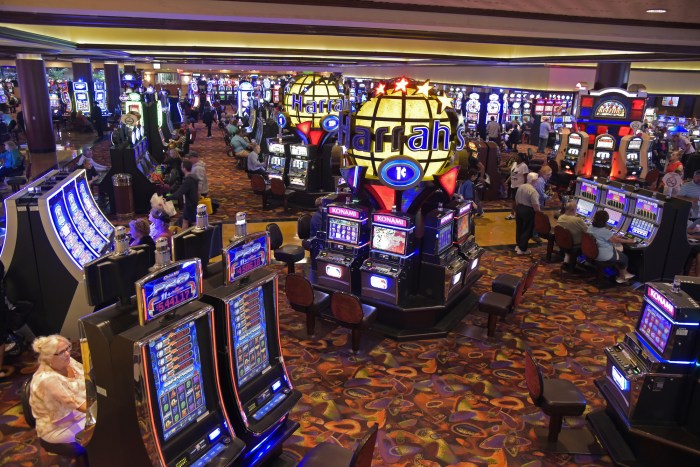
Gambling is a practice that involves wagering money or valuables on an outcome that is largely influenced by chance. This activity holds significant cultural, social, and economic importance in societies around the world. It manifests in various forms, from traditional casino games to modern online platforms, each with its own set of rules and allure. Cultural perceptions of gambling can vary widely; some cultures embrace it as a form of entertainment, while others regard it with skepticism or outright disapproval.
Forms of Gambling
Gambling exists in numerous formats, each appealing to different demographics. The following are prominent forms of gambling today:
- Casino Games: Traditional games such as poker, blackjack, and roulette are staples in physical casinos and online platforms.
- Sports Betting: Wagering on the outcome of sporting events has surged in popularity, particularly with the advent of online betting.
- Online Gambling: This encompasses a variety of games, sports betting, and even eSports betting, giving players the convenience of gambling from home.
- Lottery and Scratch Cards: These are often state-run and provide low-cost entry points for players looking to win big with minimal investment.
Cultural Perceptions
The perception of gambling varies significantly across cultures and regions. In some societies, it is viewed as a fun and legitimate form of entertainment, while in others, it is associated with moral decay and social issues. For instance, in Las Vegas, gambling is celebrated as a major tourist attraction, while in many Asian countries, it can be heavily regulated or even banned.
History of Gambling
The origins of gambling can be traced back thousands of years, illustrating its deep-rooted presence in human culture. Initially, gambling took the form of simple games of chance, often linked to religious or social ceremonies.
Ancient Gambling Practices
Various ancient civilizations engaged in gambling, leaving behind a rich history of practices:
- China: One of the earliest records of gambling dates back to the Shang Dynasty (1600–1046 BC), where rudimentary forms of betting were documented.
- Rome: Roman soldiers often gambled on the outcomes of gladiatorial games, showcasing the intersection of sports and betting.
- Egypt: Evidence suggests that ancient Egyptians played dice games, indicating that gambling has been a part of human entertainment for millennia.
Legalization Milestones
In modern times, significant milestones have marked the legalization of gambling. The late 20th century saw a shift in attitudes, with many regions recognizing the potential economic benefits of regulated gambling. For example, in 1976, New Jersey became the first state in the U.S. to legalize casino gambling, leading the way for other states to follow suit.
Types of Gambling
Gambling can be broadly categorized into different types, each with unique characteristics and regulations.
Casino Games
Casino games remain among the most popular forms of gambling, encompassing a variety of games like slots, blackjack, and roulette. Different jurisdictions have specific regulations regarding the operation of these games.
- Regulations: In many areas, casinos must obtain licenses and adhere to strict regulations to ensure fairness and player protection.
- Psychological Aspects: The thrill of winning and the immersive environment of casinos can lead to a strong attraction to these games, appealing to different demographics.
Sports Betting
Sports betting has gained significant traction, especially with technological advancements that facilitate online betting.
- Legal Landscape: Many countries now regulate sports betting to protect consumers and ensure fair play.
- Appeal: The excitement of watching a game can be amplified by placing a wager, making it particularly popular among sports enthusiasts.
Online Gambling
The rise of the internet has transformed traditional gambling into a digital experience.
- Impact of Technology: Online platforms have made gambling accessible to a broader audience, allowing players to bet from the comfort of their homes.
- Psychological Factors: The convenience and anonymity of online gambling can lead to increased participation among certain demographics.
Gambling Addiction
Gambling addiction is a serious issue that affects many individuals and their families.
Understanding Gambling Addiction
It is characterized by compulsive gambling behavior that disrupts personal and professional life.
- Symptoms: Common signs include an inability to stop gambling, preoccupation with gambling, and chasing losses.
- Risk Factors: Psychological issues, financial problems, and a family history of gambling can increase the likelihood of developing an addiction.
Prevention and Treatment
Addressing gambling addiction requires a multifaceted approach.
- Prevention Methods: Education and awareness programs can help individuals recognize the risks associated with gambling.
- Treatment Options: Therapy, support groups, and counseling are effective methods for helping individuals recover from addiction.
The Economics of Gambling
Gambling plays a significant role in the economy, impacting both local and national levels.
Economic Impact
The economic benefits of gambling industries are substantial, contributing to job creation and tax revenues.
- Tax Revenue: Governments collect taxes from gambling operations, which can be allocated to public services and community projects.
- Job Creation: The gambling industry provides employment opportunities in various sectors, from hospitality to regulation.
Funding Public Services
Many jurisdictions use gambling revenue to support community initiatives.
- Examples: In some states, lottery proceeds fund education, infrastructure, and health programs, demonstrating the positive effects of regulated gambling.
Responsible Gambling Practices
Promoting responsible gambling behaviors is essential for minimizing risks associated with gambling.
Framework for Responsible Gambling
Establishing a framework involves creating guidelines and resources for players.
- Best Practices: Gamblers should set limits, recognize signs of problem gambling, and utilize self-exclusion options when necessary.
- Role of Operators: Gambling operators should actively promote responsible gambling through awareness campaigns and resources for their customers.
Technology and Gambling
As technology continues to evolve, its impact on the gambling industry is profound.
Transformation of Traditional Gambling
Online platforms have revolutionized how people engage with gambling.
- Virtual Reality: This emerging technology is set to create immersive gambling experiences, blurring the lines between reality and virtual play.
- Blockchain Technology: Blockchain provides transparency and security in transactions, enhancing trust in online gambling.
Gambling Regulations and Legislation
Regulatory frameworks surrounding gambling are crucial for ensuring fair practices.
Key Legislation
Different countries have developed specific laws governing gambling activities.
- Examples: The U.S. has the Interstate Wire Act and the Unlawful Internet Gambling Enforcement Act, which regulate online gambling.
- Regulatory Bodies: Organizations such as the UK Gambling Commission oversee operations to maintain integrity within the industry.
Comparative Approaches
Countries adopt various regulatory approaches to gambling.
- Strict Regulation: Countries like Singapore impose stringent regulations to curb gambling-related issues.
- Open Markets: Conversely, places like Las Vegas promote gambling as a key economic driver.
Social Impact of Gambling
The social ramifications of gambling extend beyond individual experiences, affecting entire communities.
Positive and Negative Effects
Gambling can bring economic growth but also social challenges.
- Positive Effects: Successful casinos can boost local economies and provide job opportunities.
- Negative Effects: However, gambling can also lead to addiction, crime, and family distress.
Case Studies
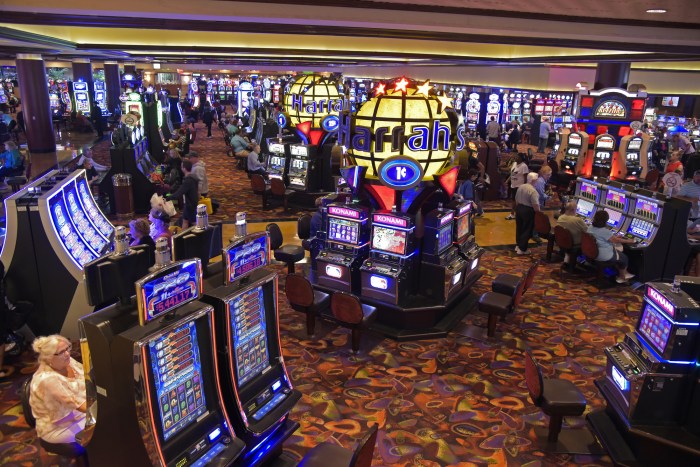
Examining regions heavily influenced by gambling provides insight into its social impact.
- Atlantic City: Once a gambling hotspot, it faced significant challenges following economic downturns.
- Macau: Known as the gambling capital of the world, it demonstrates how gambling can drive tourism and economic growth.
Future of Gambling
The future landscape of gambling is poised for significant changes, influenced by evolving technologies and regulations.
Emerging Trends
Changes in demographics and preferences will shape gambling trends.
- Younger Demographics: Millennials and Gen Z are gravitating towards online and mobile gambling, favoring convenience and accessibility.
- Regulatory Evolution: As gambling becomes more mainstream, regulations are expected to adapt, focusing on consumer protection and responsible gambling.
Post-Pandemic Landscape
The COVID-19 pandemic has altered the gambling industry significantly.
- Increased Online Participation: Many players turned to online platforms during lockdowns, a trend likely to persist.
- Health and Safety Regulations: Physical venues are now implementing stricter health protocols to ensure player safety.